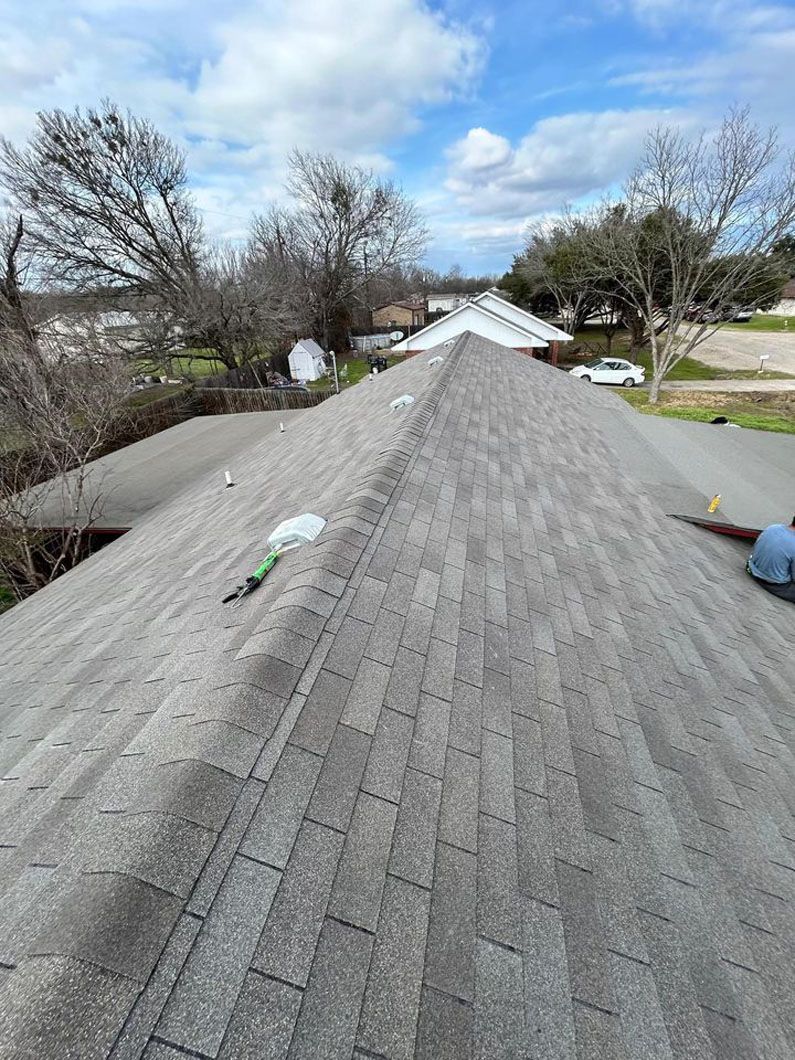
Commercial Roof Repair in Killeen, TX: Addressing TPO Membrane and Drainage Issues
Commercial roof repair in Killeen, TX focuses on TPO membrane seam integrity, drainage system performance, and ponding water elimination to prevent leaks and extend the service life of flat and low-slope commercial roofing systems.
What Makes TPO Membrane Systems Vulnerable to Damage?
TPO membranes experience seam separation from thermal expansion, punctures from foot traffic and equipment, and UV degradation in areas with inadequate drainage or ponding water.
Single-ply TPO systems rely on heat-welded seams to create a continuous waterproof barrier across the entire roof surface. When temperature fluctuations cause the membrane to expand and contract repeatedly, these seams can develop stress points that eventually separate. Killeen's temperature swings between summer heat and winter cold accelerate this process, particularly on roofs with large uninterrupted membrane sections.
Foot traffic from maintenance personnel and HVAC technicians creates puncture risks, especially when sharp tools or equipment are placed directly on the membrane surface. Areas around rooftop units and access points show the highest concentration of these mechanical damages. UV exposure breaks down the membrane's protective layer over time, but this degradation intensifies in areas where water pools and remains on the surface for extended periods after rain events.
How Do Drainage Problems Develop on Commercial Flat Roofs?
Drain clogs from debris accumulation, improper roof slope during installation, and settling of the building structure create low spots where water collects instead of flowing to drainage points.
Commercial flat roofs are actually designed with a slight slope toward drainage points, but this slope can be compromised over time. Leaves, dirt, and roofing granules wash into drains and create blockages that prevent water from exiting the roof surface. When drains can't handle the water volume during heavy rain, the excess water spreads across the roof and settles in any low areas.
Building settlement is common in Central Texas due to expansive clay soils that shift with moisture changes. As a structure settles unevenly, the roof surface develops new low spots that weren't part of the original design. These areas become permanent water collection points that stress the membrane and accelerate deterioration. Regular drain cleaning and ponding water assessment help identify these developing problems before they cause membrane failure.
Which Repair Techniques Restore TPO Membrane Integrity?
Seam re-welding with hot air equipment, patch installation over punctures, and membrane stress relief cuts address most TPO damage while maintaining the roof's waterproof barrier.
Seam repairs begin with cleaning both sides of the separated area to remove dirt and oxidation that would prevent proper bonding. Technicians use hot air welding equipment to reheat the seam and press the membrane layers together, creating a bond as strong as the original installation. For punctures and tears, contractors cut a patch from matching TPO material, round the corners to prevent edge lifting, and heat-weld it over the damaged area with a minimum two-inch overlap on all sides.
When membrane stress is widespread, contractors may install relief cuts at strategic locations to allow controlled expansion and contraction without creating new seam failures. These cuts are immediately sealed with welded patches, but they reduce tension across the membrane surface. This technique is particularly effective on large commercial roofs where thermal movement is most pronounced.
Can Ponding Water Be Eliminated Without Full Roof Replacement?
Tapered insulation systems, drain modifications, and strategic membrane reinforcement can eliminate ponding water and extend your existing roof's service life by ten or more years.
Tapered insulation involves installing wedge-shaped insulation panels beneath the existing membrane to create proper slope toward drainage points. This method corrects the roof's pitch without requiring a complete tear-off and replacement. The new slope ensures water flows efficiently to drains instead of collecting in low areas, reducing membrane stress and UV exposure in previously ponded zones.
Drain modifications include adding secondary drains in problem areas, increasing drain size to handle higher water volumes, or installing overflow scuppers that provide emergency drainage during extreme rain events. These changes work in combination with slope corrections to create a comprehensive drainage solution. Membrane reinforcement around new drain locations ensures the roof system remains watertight even as drainage patterns change.
Killeen's commercial properties benefit from proactive drainage assessment because the area's intense summer thunderstorms can deposit several inches of rain in a short period. Roofs that handle normal rainfall may still develop ponding during these extreme events, making overflow protection essential for long-term system performance.
Tanner Roofing provides commercial roofing repairs for Killeen businesses, including TPO membrane seam restoration and drainage system repairs designed for flat and low-slope commercial structures. Connect with our team at to explore commercial roof repair options in Killeen and address membrane or drainage concerns before they lead to interior leaks.