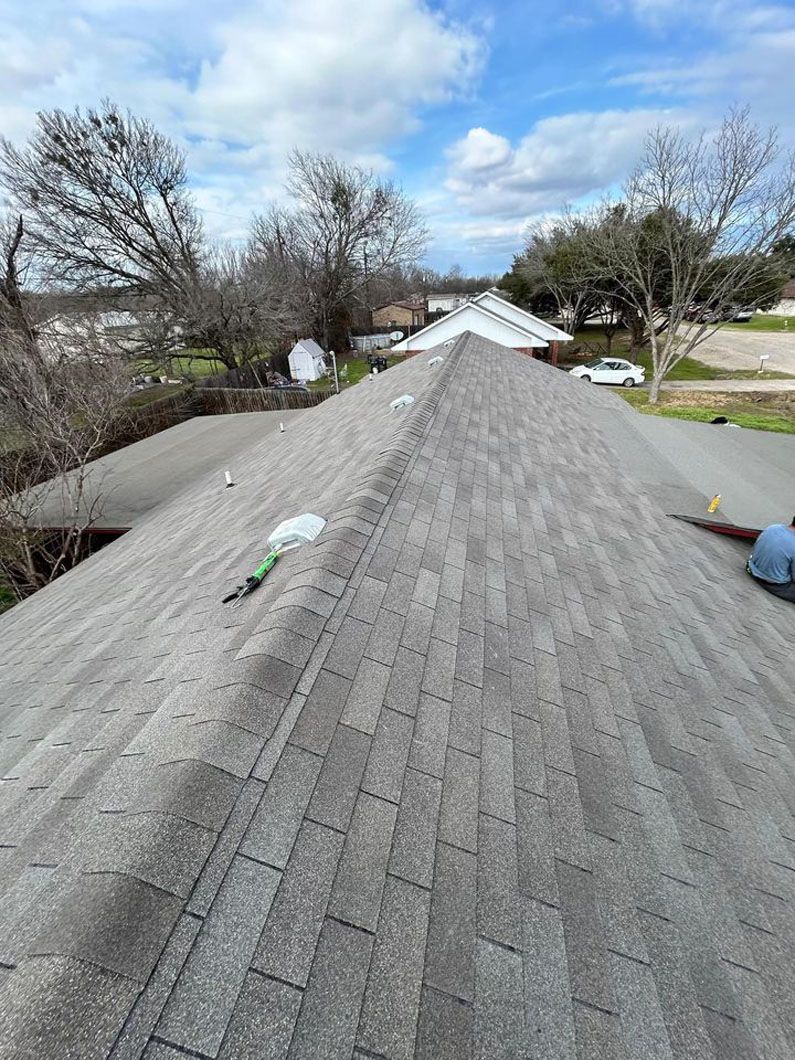
Understanding Roof Inspections in Belton, TX: What Evaluations Cover
Roof inspections in Belton, TX provide comprehensive evaluations covering shingle mat integrity, decking condition, flashing assessment, drainage performance, and storm damage documentation to determine whether repairs or replacement will best maintain your property's weather protection.
What Components Do Inspectors Examine During Roof Evaluations?
Inspectors assess shingle or membrane surface condition, flashing integrity at all penetrations and transitions, ventilation system performance, drainage flow patterns, and underlying decking structure for moisture damage or deterioration.
Surface material examination begins with checking for visible damage like missing shingles, cracked tiles, or torn membrane sections. Inspectors look at granule retention on asphalt shingles, noting areas where granule loss has exposed the underlying mat. They check for curling, cupping, or other deformation that indicates the material is nearing the end of its service life. On metal roofs, they examine fastener condition and panel seam integrity.
Flashing inspection covers all areas where the roof surface meets a vertical element like a chimney, wall, or vent pipe. These transition points are common leak sources because they rely on proper installation and sealant integrity to prevent water entry. Inspectors check that flashing is properly secured, that sealant remains flexible and intact, and that no gaps exist where water could penetrate. They also examine valley flashing where two roof planes meet, as these areas channel high water volumes during rain events.
How Do Inspectors Identify Hidden Moisture Damage?
Inspectors use visual indicators like staining or sagging, moisture meters to detect elevated water content in decking, and thermal imaging to locate temperature variations that suggest moisture presence beneath the roof surface.
Moisture damage often develops beneath the visible roof surface, making it difficult to detect without specialized tools. Inspectors look for visual clues like dark staining on the underside of decking when viewed from attic spaces, or sagging areas that indicate structural weakness from prolonged moisture exposure. These signs help identify problem areas that require closer examination.
Moisture meters provide quantitative readings of water content in wood decking and structural members. Elevated readings indicate active moisture problems that need immediate attention to prevent rot and structural failure. Thermal imaging cameras detect temperature differences across the roof surface, with cooler areas often indicating moisture presence because water retains heat differently than dry materials. These tools help inspectors locate hidden damage that wouldn't be apparent from visual examination alone.
Can Inspections Determine Remaining Roof Service Life?
Inspectors estimate remaining service life by evaluating material condition, installation quality, maintenance history, and exposure to weather events, providing property owners with planning information for future repair or replacement needs.
Remaining service life estimates consider multiple factors beyond just the roof's current age. A well-maintained roof with minimal storm damage may have several years of reliable service remaining even if it's approaching the typical replacement age for its material type. Conversely, a newer roof with poor installation quality or extensive storm damage may need replacement sooner than expected.
Inspectors document specific condition indicators like the percentage of shingles showing granule loss, the number of failed or loose fasteners on metal roofs, or the extent of seam separation on membrane systems. These observations provide a basis for estimating how many more years the roof will perform reliably. This information helps property owners plan financially for eventual replacement and make informed decisions about whether to invest in repairs or proceed with replacement.
When Should Belton Property Owners Schedule Preventive Inspections?
Schedule inspections annually before spring storm season, immediately after severe weather events, when purchasing property, and whenever interior water stains or other leak indicators appear.
Annual preventive inspections in late winter allow property owners to identify and address minor issues before the spring storm season brings hail and high winds. Catching small problems like loose flashing or damaged shingles early prevents them from becoming major leaks during severe weather. This timing also allows for repairs to be completed during favorable weather conditions before the busy spring and summer construction season.
Post-storm inspections are essential after any weather event that produces hail larger than one inch or wind gusts exceeding 50 miles per hour. Even if no obvious damage is visible from ground level, hidden impacts to shingles or membrane surfaces may have occurred. Documenting this damage promptly supports insurance claims and prevents disputes about when the damage occurred. Property purchase inspections protect buyers by revealing roof condition and remaining service life before the transaction closes, allowing for negotiation or repair planning.
Tanner Roofing provides comprehensive roof evaluations covering shingle mat integrity, decking condition, flashing assessment, and storm damage documentation for Belton property owners. Compare inspection options at to assess your roof's condition and explore roof inspection services in Belton that help you make informed decisions about maintenance, repairs, or replacement timing.