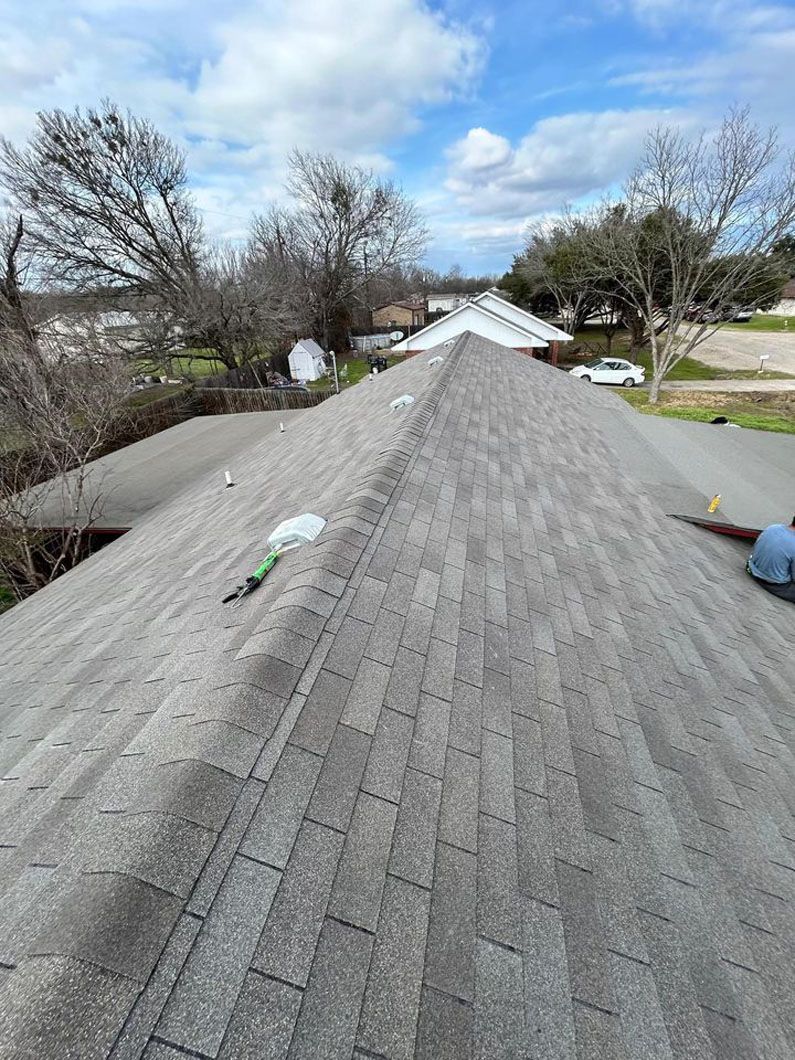
Metal Roofing Repairs in Georgetown, TX: Fastener and Seam Restoration
Metal roofing repairs in Georgetown, TX target fastener replacement, panel seam restoration, and rust tracking remediation to maintain the structural integrity and weather resistance of residential ranch-style and agricultural metal roof systems.
How Do Fasteners Fail on Metal Roofs?
Fasteners loosen from thermal expansion cycles, rubber washers deteriorate from UV exposure, and over-driven screws create stress points that allow water infiltration around penetration sites.
Metal roofing panels expand and contract with temperature changes throughout the day and across seasons. Each expansion cycle places stress on the fasteners that secure panels to the underlying structure. Over time, this repeated movement can back fasteners out slightly, creating gaps between the washer and the panel surface. These gaps allow water to enter during rain events, leading to rust formation and potential decking damage.
The rubber washers that seal each fastener penetration break down under constant UV exposure, especially on south and west-facing roof sections that receive the most intense sunlight. As washers crack and lose their flexibility, they no longer compress properly against the metal panel surface. Even if the fastener remains tight, the compromised washer allows moisture to seep past the seal and reach the fastener shaft and underlying structure.
What Causes Panel Seam Separation?
Wind uplift forces, improper installation spacing, and metal fatigue at seam edges cause panels to separate, creating gaps that expose the roof deck to weather.
Standing seam metal roofs rely on interlocking panel edges that are crimped or snapped together to form a continuous weather barrier. Wind events in Georgetown can generate uplift forces that stress these seam connections, particularly on roof edges and ridge areas where wind pressure is highest. If the original installation used fastener spacing that exceeded manufacturer specifications, the panels have less resistance to these uplift forces.
Metal fatigue develops over years of thermal cycling and wind stress, causing the seam edges to lose their original shape and grip. This is most common on roofs that are twenty or more years old, where the metal has experienced thousands of expansion and contraction cycles. Once a seam begins to separate, the gap allows wind-driven rain to penetrate, and the problem typically spreads along the seam length unless repairs are made promptly.
Which Repair Methods Address Rust Tracking at Penetrations?
Rust removal with wire brushing, application of rust-inhibiting primer, and installation of new sealed flashing boots stop rust progression and restore waterproof integrity at pipe and vent penetrations.
Rust tracking occurs when water enters around a penetration and flows along the underside of the metal panel, leaving a visible rust stain on the panel surface. Repair begins with removing the existing flashing boot or sealant around the penetration to expose the rusted area. Technicians use wire brushes or abrasive pads to remove all rust down to clean metal, then apply a rust-inhibiting primer that prevents further oxidation.
New flashing boots made from EPDM rubber or thermoplastic materials are fitted around the penetration and secured to the metal panel with sealant designed for metal roofing applications. These boots include a compression collar that seals tightly around the pipe or vent, preventing water entry even during wind-driven rain. The combination of rust removal, protective primer, and proper flashing installation stops the rust tracking and prevents the problem from recurring.
Do Georgetown's Weather Patterns Affect Metal Roof Longevity?
Georgetown's combination of intense summer heat, occasional hail, and rapid temperature shifts accelerates fastener wear and panel expansion stress, making regular inspections essential for metal roof maintenance.
Summer temperatures in Georgetown regularly exceed 95 degrees, causing metal panels to expand significantly during the day and contract as temperatures drop at night. This daily cycle places continuous stress on fasteners and seam connections. When combined with occasional hail events that can dent panels and damage fastener washers, the local weather creates multiple pathways for roof system degradation.
Rapid temperature shifts during spring and fall cold fronts add another stress factor. When a cold front drops temperatures by 30 or 40 degrees in a few hours, metal panels contract quickly, pulling against fasteners and seam connections. Roofs that have already experienced some fastener loosening or seam fatigue are particularly vulnerable during these rapid temperature changes, making proactive inspection and repair important for extending system life.
Tanner Roofing offers metal roof installation and repair for Georgetown residential ranch-style properties and agricultural structures, including fastener replacement and panel seam repair. Plan your metal roof maintenance at to address fastener or seam concerns and find metal roofing help in Georgetown before minor issues lead to water infiltration.