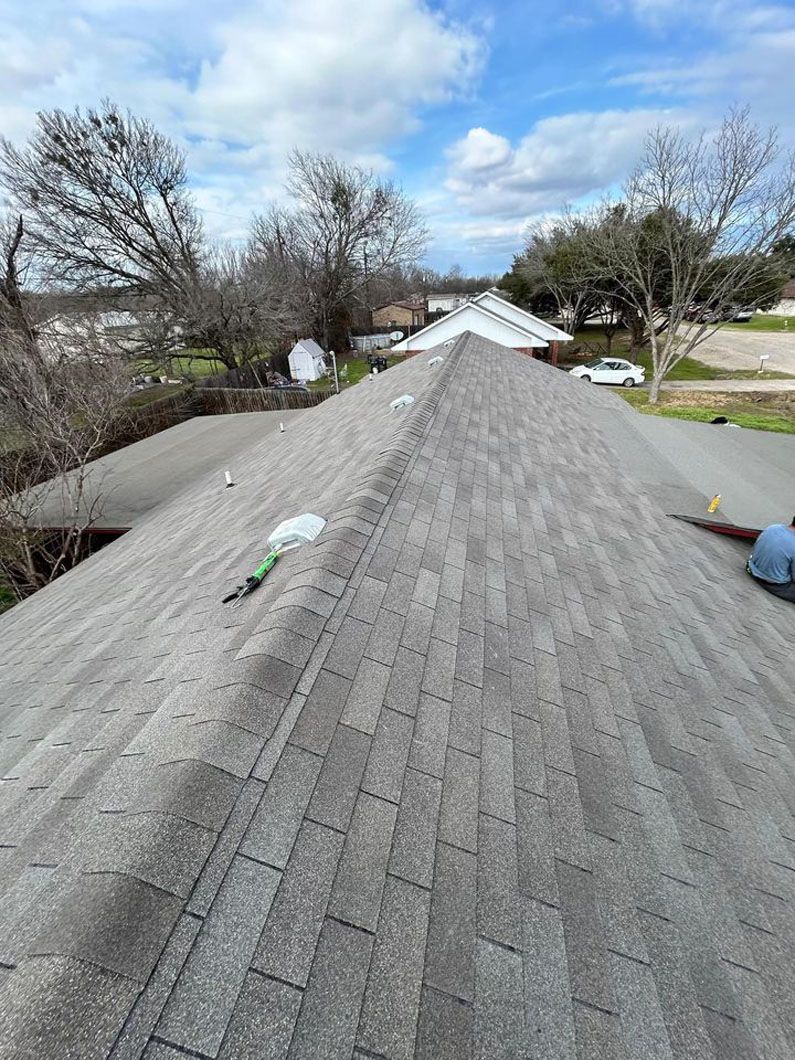
Storm Damage Assessment in Waco, TX: Documentation for Insurance Claims
Storm damage assessment in Waco, TX involves measuring hail stone diameter indicators, documenting mat penetration depth, calculating affected square footage, and photographing damage patterns to provide insurance adjusters with the detailed evidence needed for accurate claim processing.
What Information Do Insurance Adjusters Require for Storm Damage Claims?
Adjusters need hail stone size estimates, documentation of mat penetration versus surface granule loss, affected square footage calculations, and photographic evidence showing damage distribution across the roof surface.
Insurance companies distinguish between cosmetic damage that doesn't compromise roof function and structural damage that requires immediate repair or replacement. Hail stone size is a critical factor in this determination because larger hail creates deeper impacts that penetrate the protective shingle mat. Adjusters look for evidence that impacts have broken through the granule layer and damaged the underlying asphalt mat, which indicates functional failure rather than just aesthetic damage.
Affected square footage helps adjusters determine whether damage is isolated to a few areas or widespread across the entire roof. If damage covers more than a certain percentage of the roof surface, replacement may be more cost-effective than repairs. Photographic documentation showing damage patterns helps adjusters verify that the damage is consistent with the reported storm event rather than pre-existing wear or other causes.
How Do Contractors Measure Hail Stone Diameter from Roof Impacts?
Contractors measure the diameter of circular impact marks on shingles, compare impact depth to known hail size charts, and document multiple impacts to establish consistent hail stone size across the roof.
Hail impacts create circular depressions in shingle surfaces, and the diameter of these depressions corresponds to the size of the hail stone that created them. Contractors use measuring tools to record impact diameters at multiple locations across the roof, looking for consistency that indicates a single storm event. They photograph impacts with a measuring reference in the frame to provide visual documentation for adjusters.
Impact depth is assessed by examining whether the granule layer has been displaced, whether the asphalt mat shows visible damage, and whether the underlying fiberglass mat is exposed. Shallow impacts that only displace granules may not warrant replacement, while deep impacts that expose the fiberglass mat indicate functional failure. Contractors document these variations across the roof to show adjusters the full range of damage severity.
Which Damage Patterns Indicate Hail Versus Wind Events?
Hail creates random circular impacts across all roof surfaces, while wind damage shows directional patterns with lifted shingle edges, torn valleys, and damage concentrated on windward roof sections.
Hail falls vertically and impacts all roof surfaces relatively equally, though horizontal surfaces like flat areas and low-slope sections may show more impacts than steep slopes where hail stones bounce off. The random distribution of circular impacts is a key indicator that damage resulted from hail rather than other causes. Contractors document this random pattern with photographs showing multiple roof sections.
Wind damage appears in directional patterns that correspond to the wind direction during the storm. Shingles on the windward side of the roof show lifted edges or complete tab loss, while the leeward side may have minimal damage. Valleys and roof edges experience higher wind forces and often show more severe damage than field areas. When both hail and wind occurred in the same storm, contractors document both damage types separately to ensure the claim covers all necessary repairs.
Can Waco Property Owners File Claims for Older Storm Damage?
Most insurance policies allow claims within one to two years of the damage date, but filing promptly after a storm event improves claim success because damage documentation is clearer and less complicated by subsequent weather exposure.
Delaying a claim allows additional weather events to affect the roof, making it difficult for adjusters to determine which damage resulted from the original storm and which developed later. Granule loss accelerates after the protective mat is compromised, and subsequent rain events can cause leaks that create interior damage. These complications can lead to claim disputes about causation and coverage.
Waco experiences multiple storm seasons each year, with peak hail activity from March through May and secondary severe weather periods in the fall. Property owners who document their roof condition immediately after each significant storm create a clear timeline that supports insurance claims. Even if you're unsure whether damage is severe enough to warrant a claim, having a professional assessment on record protects your ability to file later if additional problems develop.
Tanner Roofing provides emergency storm damage assessment and repair services following hail and wind events in Waco, including detailed documentation for insurance claims with measured impact damage and affected area assessment. Start your storm damage evaluation at to document your roof's condition and see storm damage restoration services in Waco that support accurate insurance claim processing.