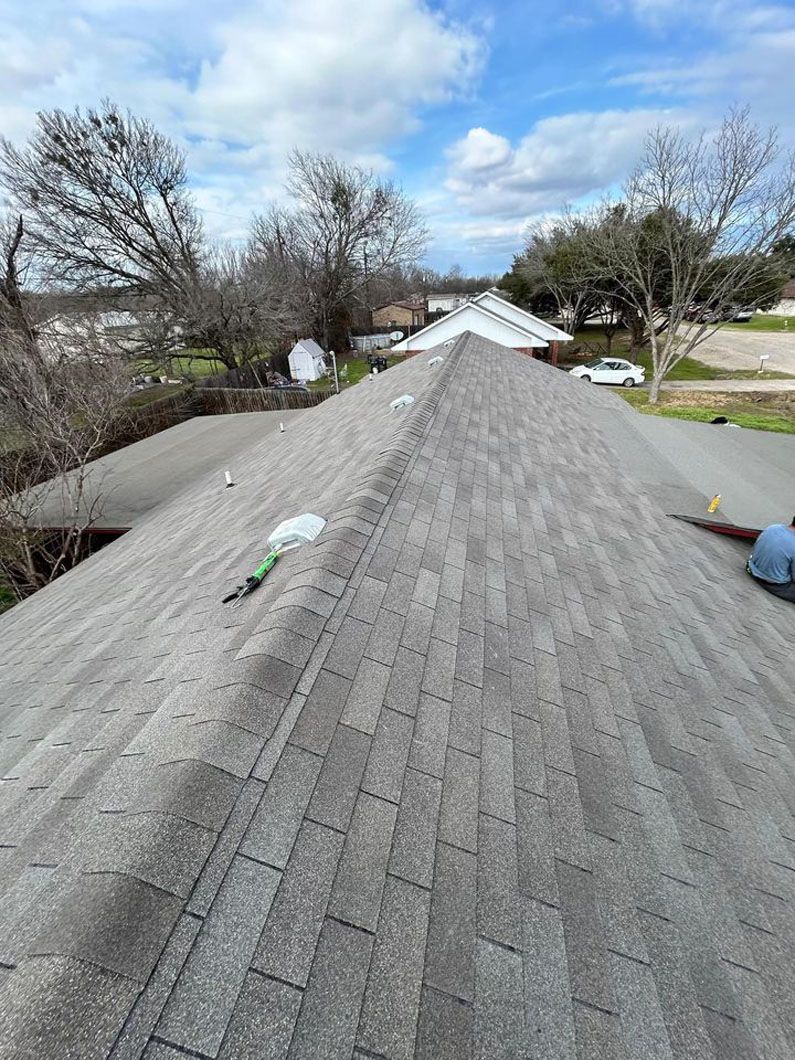
Roof Replacement Timing in Lampasas, TX: Repair or Replace Decision Factors
Roof replacement timing in Lampasas, TX depends on evaluating system age, extent of damage, decking condition, and cost comparison between ongoing repairs and full replacement to determine the most economical long-term solution for your property.
At What Age Should You Consider Replacing Rather Than Repairing?
Asphalt shingle roofs approaching 20 years old, metal roofs over 30 years old, and TPO membranes past 15 years typically benefit more from replacement than continued repairs due to material fatigue and declining performance.
Roofing materials have predictable service lives based on their composition and exposure to weather conditions. Asphalt shingles in Central Texas typically last 18 to 22 years before the mat structure deteriorates to the point where repairs no longer provide reliable protection. Once a shingle roof reaches this age range, multiple areas often begin failing simultaneously, making repairs a temporary solution that delays the inevitable replacement.
Metal roofing systems last longer but eventually experience fastener failure and panel fatigue that affects the entire roof rather than isolated sections. When a metal roof reaches 30 years of age, the cost of replacing all fasteners and addressing widespread seam issues often approaches the cost of a new roof system. TPO membranes show similar patterns, with seam integrity declining after 15 years of thermal cycling and UV exposure.
How Does Damage Extent Influence the Repair Versus Replace Decision?
When damage affects more than 30 percent of the roof surface, replacement typically provides better value than extensive repairs because labor costs for large repair projects approach replacement costs while delivering shorter service life.
Isolated damage in one or two roof sections can be repaired cost-effectively, but widespread damage requires removing and replacing materials across multiple areas. The labor involved in preparing these areas, matching materials, and ensuring proper integration with undamaged sections adds up quickly. At a certain point, the total repair cost reaches 60 to 70 percent of replacement cost while only extending the roof's life by a few years.
Replacement provides a complete new system with full warranty coverage and a predictable service life of 15 to 25 years depending on materials. This makes replacement the more economical choice when damage is extensive, even if the roof hasn't reached the end of its expected service life. Storm damage that affects large roof areas often pushes properties into this replacement scenario, particularly when insurance coverage is available.
What Role Does Decking Condition Play in Replacement Decisions?
Decking with moisture damage, rot, or structural sagging requires replacement regardless of surface material condition, making full roof replacement necessary to address the underlying structural issues.
Roof decking provides the structural base for all roofing materials, and its integrity is essential for proper system performance. When leaks have allowed moisture to penetrate the decking over time, the wood or structural panels can develop rot that compromises their load-bearing capacity. This damage isn't visible from the roof surface but becomes apparent during repair work when contractors remove damaged shingles or membrane sections.
Sagging decking indicates structural failure that can't be corrected with surface repairs. The sagging creates low spots that collect water and accelerate deterioration of the roofing materials above. Addressing these issues requires removing the existing roof system, replacing damaged decking sections, and installing new roofing materials. Once decking replacement is necessary, the incremental cost of replacing the entire roof system becomes relatively small compared to the cost of the decking work alone.
Do Lampasas Building Codes Affect Replacement Material Choices?
Lampasas follows Texas building codes requiring impact-rated roofing materials in hail-prone areas, and replacement projects must meet current energy efficiency standards that may differ from your existing roof's specifications.
Building codes evolve over time to incorporate new safety standards and energy efficiency requirements. When you replace a roof, the new system must meet current code requirements even if your original roof was installed under older standards. In Central Texas, this typically means using impact-rated shingles that resist hail damage better than standard three-tab shingles that were common in older installations.
Energy efficiency requirements may mandate specific underlayment materials, ventilation configurations, or reflective roofing products that reduce heat absorption. These requirements add to the project scope but also improve your property's energy performance and may qualify for insurance discounts. Working with contractors familiar with local code requirements ensures your replacement project meets all current standards and passes final inspection without delays or additional work.
Tanner Roofing provides complete roof replacement services for Lampasas residential and commercial properties at end of system life or following extensive storm damage, with Owens Corning Platinum Preferred warranty coverage on residential shingle installations. Experience professional roof evaluation at to determine whether repair or replacement is the right choice for your property and learn about roof replacement in Lampasas that meets current building codes and performance standards.